Intermag
Plonvit gel concentrated NPK fertilizer with micronutrients 20/20/20, 1l
Plonvit gel concentrated NPK fertilizer with micronutrients 20/20/20, 1l
Couldn't load pickup availability
PLONVIT® GEL, 1l
"PLONVIT® GEL" is produced according to INTERMAG's proprietary formula and is a balanced source of nutrients for plants (NPK proportions + trace elements). These fertilizers are intended for supplementary foliar feeding and complement basic soil fertilization. The product is especially recommended during periods of intensive plant growth and development, as well as to eliminate plant weakening caused by stress factors.
NPK fertilizer with trace elements in the form of a water-soluble suspension (gel)
HIGH CONCENTRATION OF NUTRIENTS
EASY DOSING AND IMPROVEMENT OF WORKING SOLUTION PROPERTIES
EFFECTIVE PLANT NUTRIENT SUPPLY
Nutrient composition:
-
14.3% (200 g/l) total nitrogen (N)
2.9% (40 g/l) nitrate nitrogen (NO3)
1.1% (15 g/l) ammoniacal nitrogen (NH4)
10.3% (145 g/l) urea nitrogen (NH2)
14.3% (200 g/l) total phosphorus pentoxide (P2O5), soluble in water and neutral ammonium citrate solution
14.3% (200 g/l) water-soluble potassium oxide (K2O)
0.02% (0.3 g/l) boron (B) in the form of acid
0.050% (0.7 g/l) copper (Cu), chelated with EDTA
0.10% (1.4 g/l) iron (Fe), chelated with EDTA
0.05% (0.7 g/l) manganese (Mn), chelated with EDTA
0.001% (0.014 g/l) molybdenum (Mo) in the form of ammonium salt
0.050% (0.7 g/l) zinc (Zn), chelated with EDTA
Micronutrients are completely water-soluble. The chelated fraction remains stable at pH 3–7.
Composition and safety:
Ingredients: urea¹ (CAS: 57-13-6), monopotassium phosphate¹ (CAS: 7778-77-0), potassium nitrate¹ (CAS: 7757-79-1), water¹ (CAS: 7732-18-5), monoammonium phosphate¹ (CAS: 7722-76-1), magnesium nitrate¹ (CAS: 13446-18-9), propane-1,2-diol¹ (CAS: 57-55-6). Where: ¹primary raw materials and mixtures.
Important note: this fertilizer contains urea, which can release ammonia, potentially affecting air quality. Depending on local conditions, appropriate preventive measures should be taken.
Instructions for use
🚜 Foliar spraying:
"PLONVIT® GEL" is used as an aqueous solution for foliar application. It can be used in mixtures with other preparations, after checking their mixing compatibility.
Adjust application times, solution concentration, and working fluid volume to the specific requirements of the plant species, development stage, plant condition, growing conditions, and spraying technique. Avoid intense sunlight, high temperatures, and wind during treatment. Use only when justified. Do not exceed the specified rate. The product is intended for professional users.
Preparation of working solution:
Before use, shake the package vigorously several times to ensure the product is homogeneous throughout the volume!
Pour 1/2–2/3 of the required amount of water into the tank.
Turn on the agitator and pour in "PLONVIT® GEL".
In the same manner, following their instructions for use, pour in other allowed and recommended components of the mixture.
Fill the tank completely with water. Use the prepared solution immediately after preparation.
Single fertilizer rate: 2–5 l/ha
Spraying terms for field and garden crops
(◆ optimal time, ◇ optional / recommended time):
Wheat and other cereals: ◇ autumn (winter crops): 3–6 leaf stage; ◆ spring (winter crops): after vegetation resumes; (spring crops): leaf development – tillering; ◆ stem elongation; ◆ flag leaf stage / beginning of heading; ◇ end of flowering – until beginning of milk ripeness.
Rapeseed: ◇ rosette leaf development; ◆ main stem growth; ◆ bud formation – until beginning of flowering (1–2 treatments every 5–10 days); ◇ from beginning of petal fall – until beginning of pod development.
Maize: ◆ 2–6 leaf stage; ◆ 7–8 leaf stage; ◆ stem elongation – until beginning of tassel development; ◇ tassel and ear development.
Sugar beets: ◆ beginning of leaf development; ◆ beginning of row closure; ◇ beginning of root development.
Potatoes: ◆ plant height about 10 cm; ◆ plant height >15 cm; ◆ beginning of tuber growth; ◇ during tuber enlargement (2 treatments every 21–28 days).
Pome fruit trees (apples, pears): ◆ green bud; ◆ pink/white bud; ◇ end of flowering (after most petals have fallen); ◆ fruit reaches 30–50% of characteristic size; ◇ after harvest.
Stone fruit trees (cherries, sweet cherries, plums): ◆ flower bud development; ◆ fruit set development; ◇ fruit reaches 30–50% of characteristic size; ◆ after harvest (1–3 treatments every 7–14 days).
Grapes: ◆ beginning of leaf and new shoot development (1–2 treatments every 14–21 days); ◆ inflorescence development; ◆ berry development – until berries reach pea size.
Berry bushes (currants, gooseberries, blueberries, raspberries): ◆ leaf and shoot development (1–2 treatments every 7–28 days); ◆ beginning of inflorescence development; ◆ beginning of berry development; ◇ berry growth – until beginning of ripening; ◇ immediately after harvest.
Strawberries: ◆ beginning of leaf and rosette development; ◆ beginning of inflorescence development; ◇ beginning of flowering; ◇ beginning of first berry development; ◇ after berry harvest.
Spraying terms for vegetables
Solanaceous vegetables (tomatoes, peppers): ◆ leaf development; ◇ development of first flower buds; ◆ beginning of flowering; ◇ development of first fruits; ◇ during berry (fruit) growth.
Cucurbit vegetables (cucumbers, pumpkins, melons, watermelons): ◆ 3–6 leaf stage developed; ◆ intensive plant growth (1–2 treatments every 7–14 days); ◇ beginning of flowering; ◇ beginning of fruit development; ◇ pumpkins, melons, watermelons – during fruit growth: 1–2 treatments every 14–21 days.
Onion vegetables: ◆ leaf growth (2 treatments every 7–14 days); ◆ beginning of bulb/scallion formation; ◇ edible part reaches 30–50% of characteristic size.
Cabbage vegetables: ◆ leaf development (1–2 treatments every 7–21 days); ◆ beginning of edible part development; ◆ during edible part growth (1–3 treatments every 7–28 days).
Root vegetables: ◆ beginning of leaf development; ◆ beginning of root thickening; ◇ during root growth (1–3 treatments every 14–21 days).
Safety information
According to EC 1272/2008.
UFI: UNA0-Q0A1-Y00X-URGQ
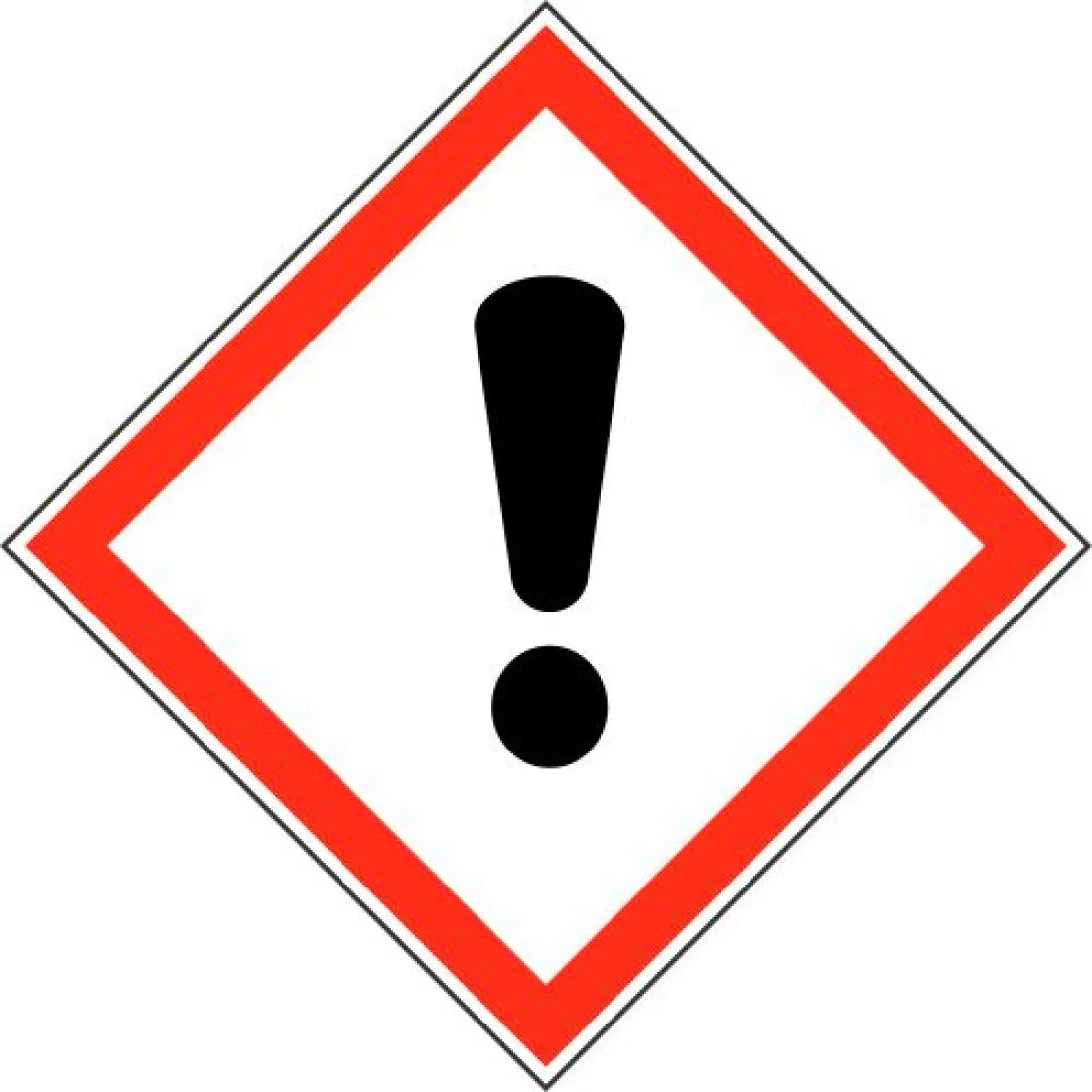
Caution
Irritates eyes.
Wash hands thoroughly after handling.
Wear eye (face) protection.
IF IN EYES: Rinse cautiously with water for several minutes. Remove contact lenses, if present and easy to do. Continue rinsing.
If eye irritation persists: Get medical advice/attention.
Manufacturer: INTERMAG sp.Z.O.O., Poland
Bendrinti